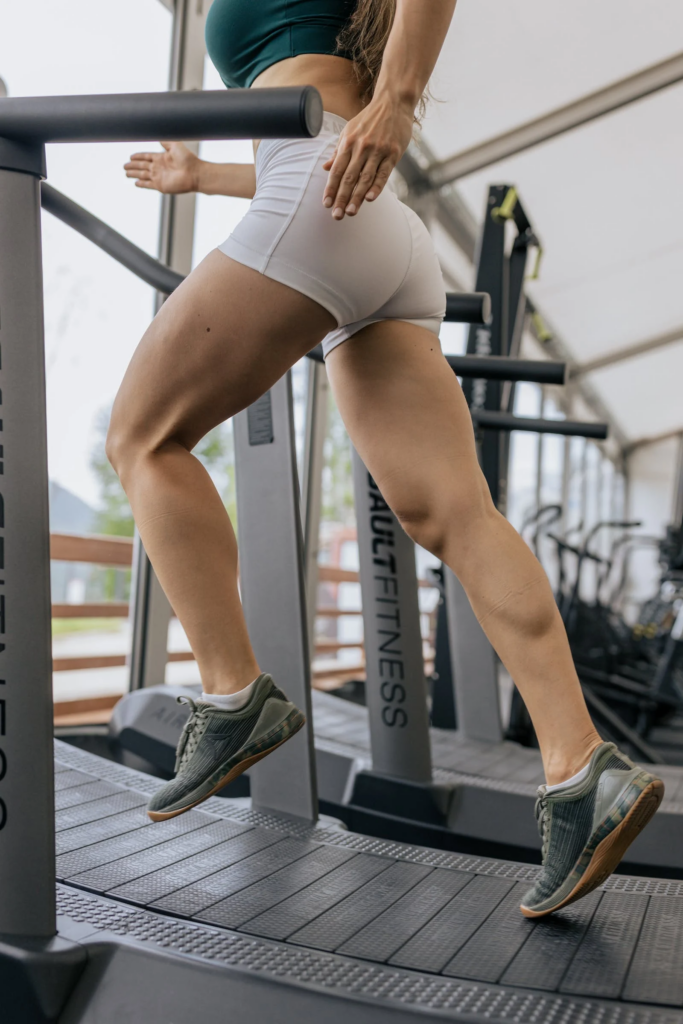
In the pursuit of a healthier lifestyle, the choice of the right treadmill can be a game-changer. With numerous options flooding the market, finding the best treadmills for home use requires careful consideration of various factors. From space constraints to specific fitness goals, the perfect one is out there waiting to transform your home into a personal fitness haven.
Begin your search by assessing the available space in your home. Compact and foldable ones are excellent choices for those with limited space. Look for models that can be easily stowed away when not in use, maximizing your living area without compromising on your fitness routine.
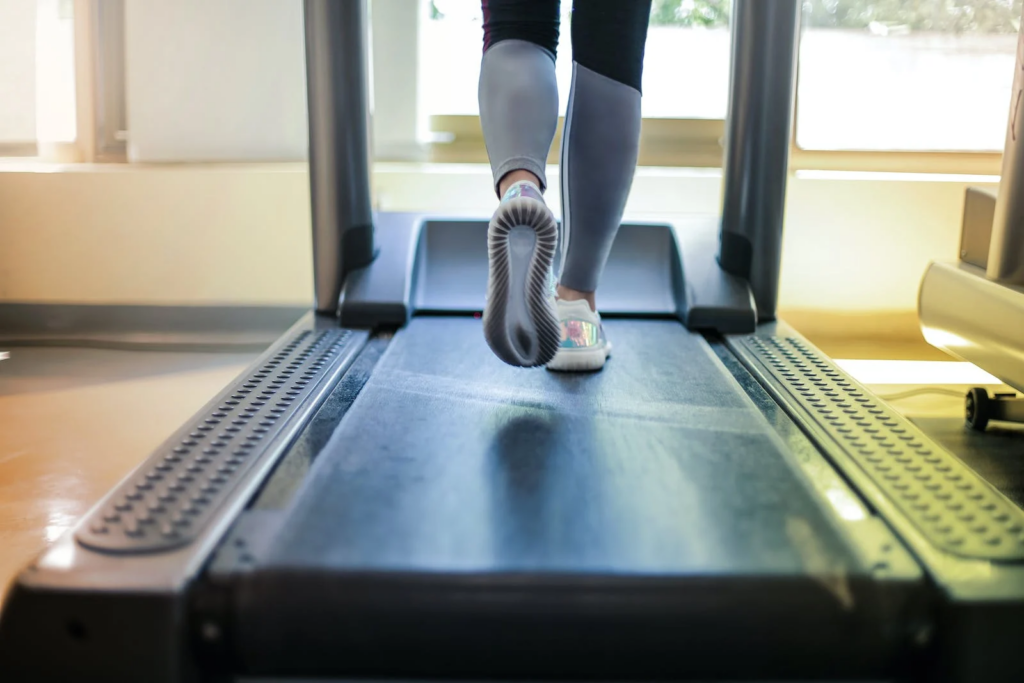
Consider your fitness goals when selecting a treadmill. Are you an avid runner training for marathons, or do you prefer brisk walks for cardiovascular health? Different ones cater to various workout intensities, so it’s crucial to choose one that aligns with your fitness objectives. High-powered motors and larger running surfaces are essential for runners, while those focused on walking may prioritize user-friendly interfaces and incline options.
Think about the technological features that matter to you. Modern walking pads come equipped with a plethora of tech-savvy options, from interactive touchscreens to virtual fitness classes. If staying engaged during your workout is a priority, opt for one with smart features that align with your preferences. These can include compatibility with fitness apps, heart rate monitoring, and pre-programmed workout routines.
As you delve into the market, take note of user reviews. Real experiences from individuals who have used the treadmill you’re considering can provide invaluable insights. Look for reviews that highlight the durability, noise levels, and overall user satisfaction to make an informed decision. Online platforms and dedicated fitness forums can be excellent resources for gathering this crucial information.
Investigate the warranty and customer service offered by the treadmill manufacturer. A robust warranty is an indicator of the manufacturer’s confidence in the product’s quality. Additionally, prompt and helpful customer service can make a significant difference in addressing any issues that may arise during the lifespan.
Price is a crucial factor in any purchase decision, and treadmills vary widely in cost. Set a realistic budget based on your financial capacity and the features you prioritize. While it’s tempting to opt for the most feature-rich model, a well-balanced treadmill that meets your requirements without breaking the bank is a more sustainable choice.
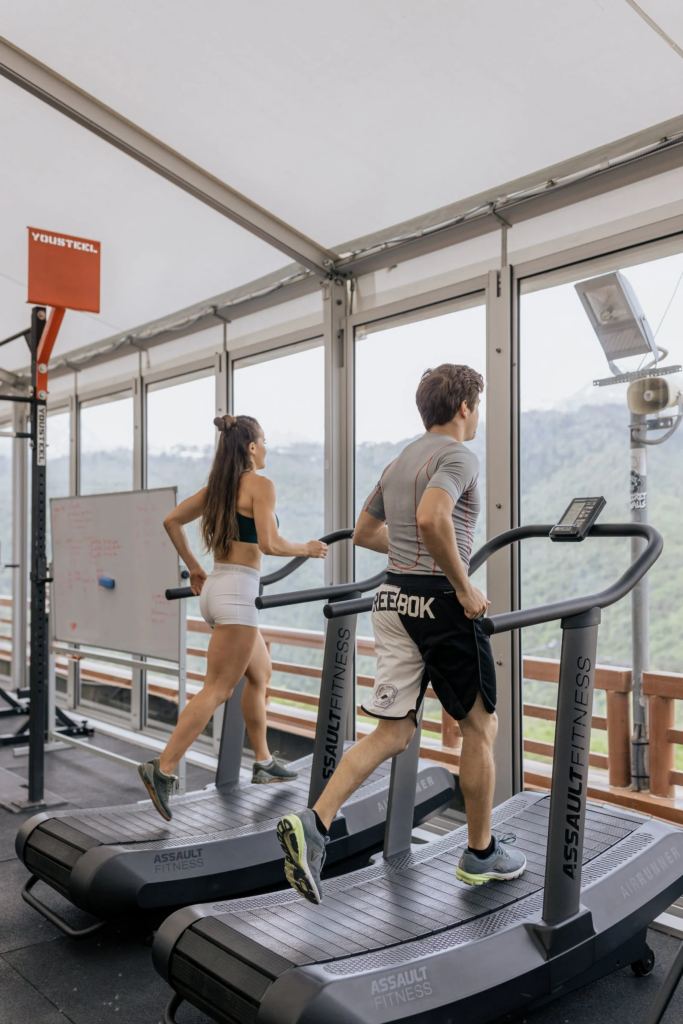
Maintenance is often an overlooked aspect of ownership. Consider the ease of maintenance and the availability of replacement parts when making your selection. It requires minimal upkeep and has accessible replacement components ensures longevity and hassle-free ownership.
Diversity in workout options is a significant benefit of modern treadmills. Look for models that offer a variety of pre-programmed workouts, customizable routines, and incline settings. This diversity not only keeps your workouts interesting but also allows you to tailor your exercise routine to suit your evolving fitness goals.
Safety features should never be underestimated. Treadmills with automatic stop mechanisms, cushioned running surfaces, and sturdy handrails contribute to a safer workout environment. These features are especially crucial for individuals with joint concerns or those who may be prone to balance issues.
Ultimately, the best treadmill for home use is the one that seamlessly integrates into your lifestyle, meets your fitness needs, and provides a satisfying workout experience. As you embark on this journey, consider your space, fitness goals, technological preferences, and budget. By carefully weighing these factors and staying informed, you can confidently select the one that will become a reliable companion on your path to a healthier and more active life.